How to use TEST & PLAY to improve every day
TEST & PLAY turns short daily breaks into practical training for reading, typing, memory, logic and attention. Instead of requiring long sessions, it offers quick, measurable and repeatable challenges so every user can notice progress clearly. A reading test shows speed and comprehension; a typing test reveals rhythm, accuracy, time and clicks; the games train focus, visual recognition and decision making.
For better results, use the platform as a routine. Start with a short reading test, continue with a typing exercise and finish with a mini game. This sequence trains different abilities without causing fatigue. Over time, compare your results, notice patterns and improve one thing at a time: fewer mistakes, stronger concentration, faster response or better memory.
The value of training becomes clear when numbers stop being simple curiosity and start guiding decisions. If speed rises but accuracy falls, slowing down may be smarter. If reading becomes faster but comprehension drops, the focus should return to pacing, breathing and identifying main ideas. When users understand this relationship, each round becomes a small performance review, not just an attempt to break a record.
Reading Speed Test
Typing Speed Test
Speed reading is not only about speed
Many people think speed reading means moving the eyes as fast as possible, but real improvement happens when speed and comprehension grow together. Reading better means identifying the main idea, noticing important details and staying focused enough to remember the content later. That is why TEST & PLAY varies text styles, lengths and subjects: the goal is to prevent training from becoming too automatic.
A useful habit is repeating the test at different moments of the day. In the morning you may have more energy; at night you may face fatigue and distractions. This variation creates a more realistic picture of your performance. If comprehension drops, slow down and focus on quality. When comprehension remains high, increase your pace gradually.
Vocabulary also matters. Varied texts expose readers to different structures, new words and forms of reasoning. This helps students, professionals and language learners. In bilingual use, switching between Portuguese and English also strengthens cognitive flexibility because the brain must adjust context, internal sounds and grammar patterns.
Reading also depends on environment. A crowded screen, active notifications or distracting audio can reduce performance. Before starting, it helps to adjust brightness, posture and distance from the screen. These details sound simple, but they reduce visual effort and leave more mental energy for what matters: understanding the text. With practice, readers learn to recognize when they are speeding up with control and when they are only skipping information.
Fun Mini Games
Train Your Brain!
Memory Challenge
Match the pairs and beat the clock in this cognitive sprint.
Logic Puzzles
Complex riddles designed to stretch your deductive reasoning.
Shape Sorter
Geometry speed test. Match patterns as fast as you can.
Why typing, memory and logic should be trained together
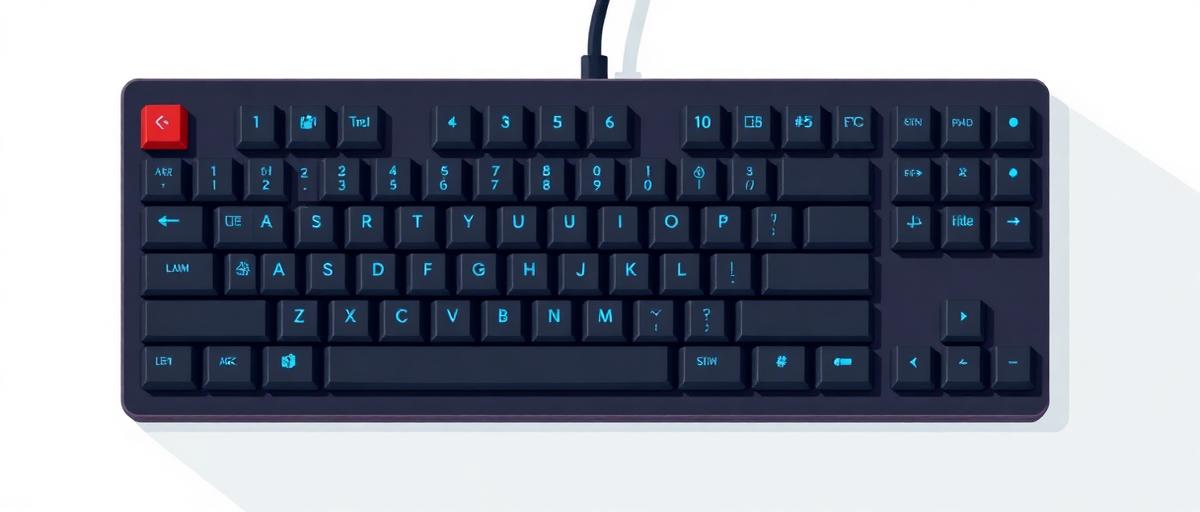
Typing well is not only about speed. A strong typist maintains posture, controls anxiety, watches the screen, corrects errors quickly and keeps a steady rhythm. When a test records time, points, mistakes and clicks, it gives a fuller view of performance. Too many clicks may reveal hesitation, frequent corrections or low confidence; short time with many errors suggests rushing; stable time with high accuracy shows solid progress.
The games complete this practice because they train abilities used in real tasks. Memory helps retain instructions and patterns. Logic improves problem solving. Visual attention makes it easier to identify differences, shapes and sequences. When these areas are practiced together, the user develops a more balanced cognitive base for study, work, coding, writing and language learning.
The best approach is to alternate difficulty levels. Easy challenges warm up and build confidence; medium challenges maintain engagement; hard challenges create adaptation. If a round feels difficult, treat the mistake as information. The goal is not to be perfect every time, but to understand where the mind slows down and build better strategies for the next attempt.
This combination also prevents monotony. When a person trains only one ability, the brain gets used to the format and begins to predict answers with less effort. By mixing typing, memory, logic and shapes, the platform keeps practice active. Users must adjust attention, speed and strategy for each block, which makes the session richer and increases the chance that learning transfers to tasks outside the game.
Daily Challenges
My Badges
Global Leaderboard
A simple weekly training plan
A weekly plan can make improvement more consistent. On Monday, take a baseline reading and typing measurement without forcing records. On Tuesday, prioritize accuracy: read calmly and type with fewer mistakes. On Wednesday, increase speed only if quality remains strong. On Thursday, play more memory and logic rounds to strengthen attention. On Friday, compare your results and notice what improved.
On the weekend, use the challenges lightly. Repeating exercises with less pressure helps the brain consolidate patterns. Small accumulated improvements matter more than one isolated record. That is the philosophy of TEST & PLAY: visible progress, enjoyable practice and useful content for anyone who wants accessible brain training.
Beyond numbers, pay attention to the experience. Were you less distracted? Did you type more calmly? Did you remember sequences better? Did longer texts feel easier to understand? These signs show real development even before large score jumps. By combining metrics with personal perception, training becomes smarter and more sustainable.
For families and educators, the platform can also be a starting point for conversations about digital habits. Instead of using the screen only for passive consumption, users participate in activities that require response, reading and attention. Parents can follow progress without turning the experience into pressure; teachers can suggest short practice sessions before writing, reading aloud or vocabulary study.
The home page now prioritizes useful contextual content, allowing automatic ads to be placed by the advertising system itself once the site is approved. This avoids empty areas created only for advertising and makes the experience more complete for real visitors. The clearer the educational purpose of the site is, the more likely review systems are to understand that there is original value for the audience. This content-first approach also gives new visitors helpful guidance before they start playing, which improves trust, clarity and overall usefulness for students, parents, teachers and casual learners.